The Cold Sequence is Approaching, Preventing Diseases and Scientifically Guarding the Health of Young Children
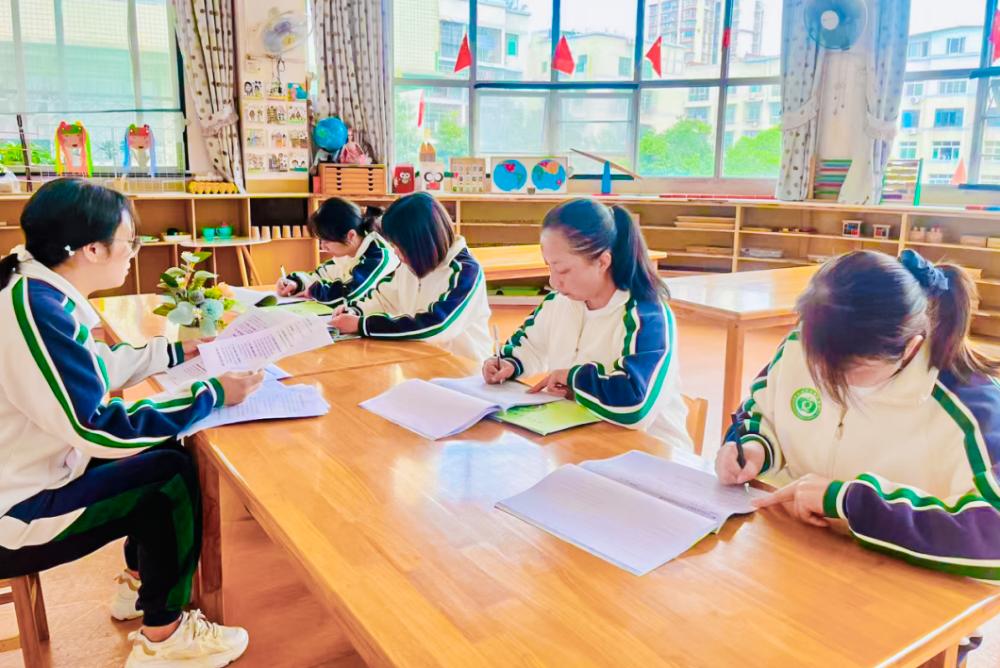
Autumn is gradually fading, winter is approaching, temperatures are fluctuating, and infectious diseases in children are entering a high-risk period. Young children's own immune system is not yet fully developed, making them more susceptible to virus invasion. To strengthen the campus health defense line, Qingpingguo Xiaolong Kindergarten in Gaoping District, Nanchong City actively carries out infectious disease prevention themed education activities, while bringing professional science popularization, home school cooperation, scientific protection, and safeguarding the safety and health of young children to parents.
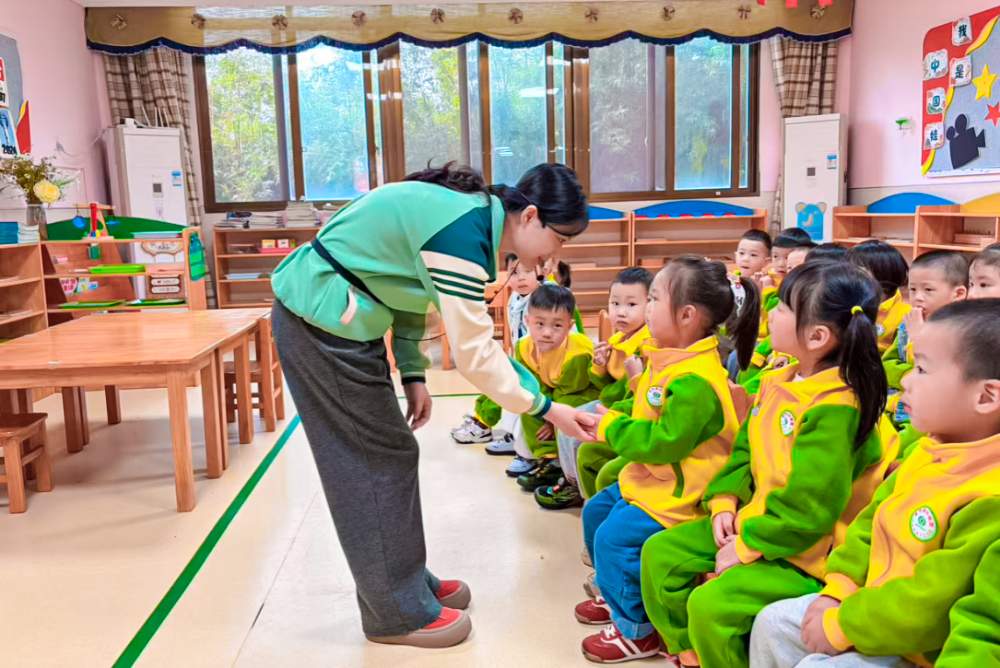
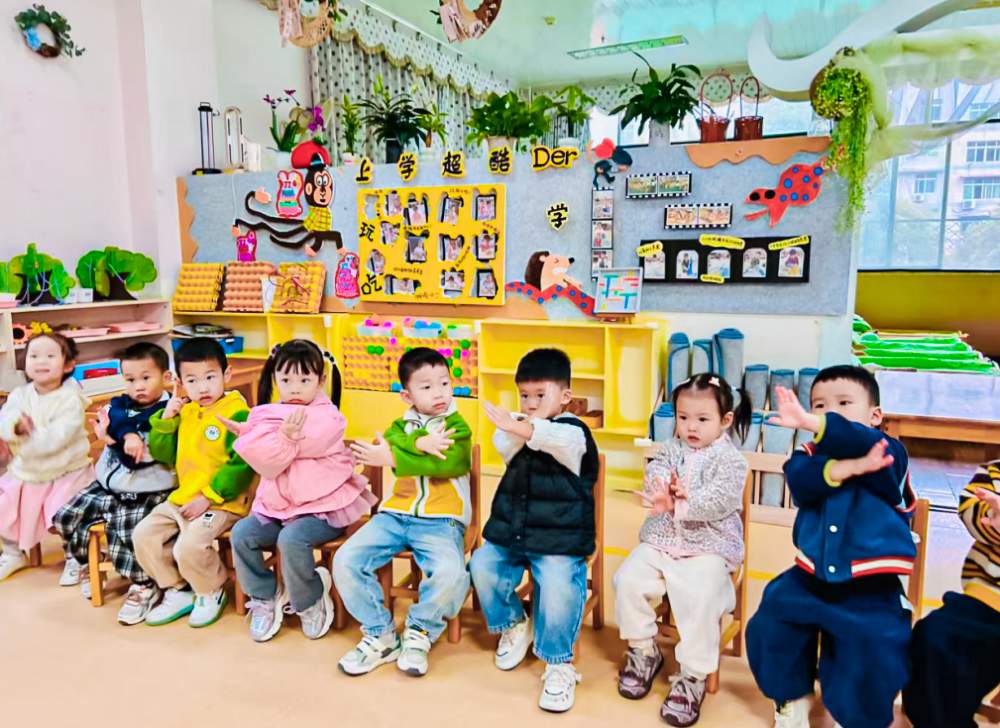
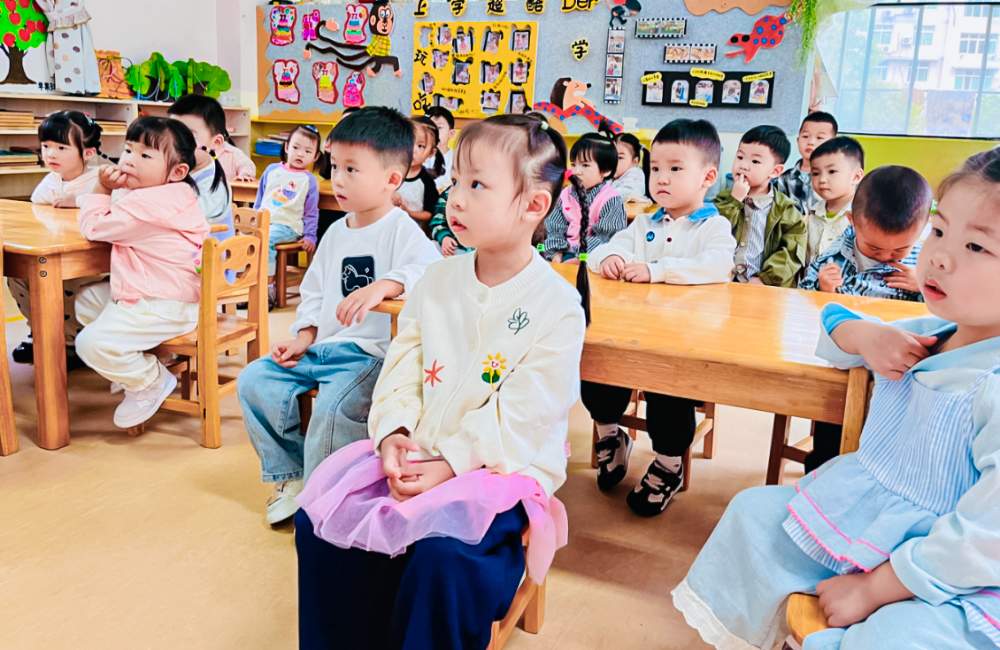
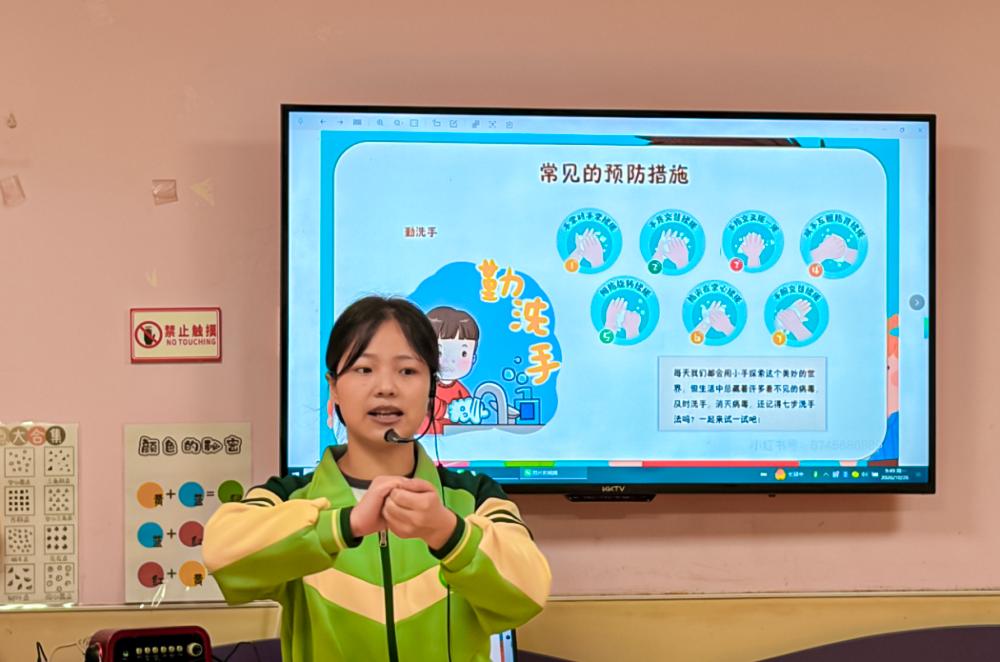
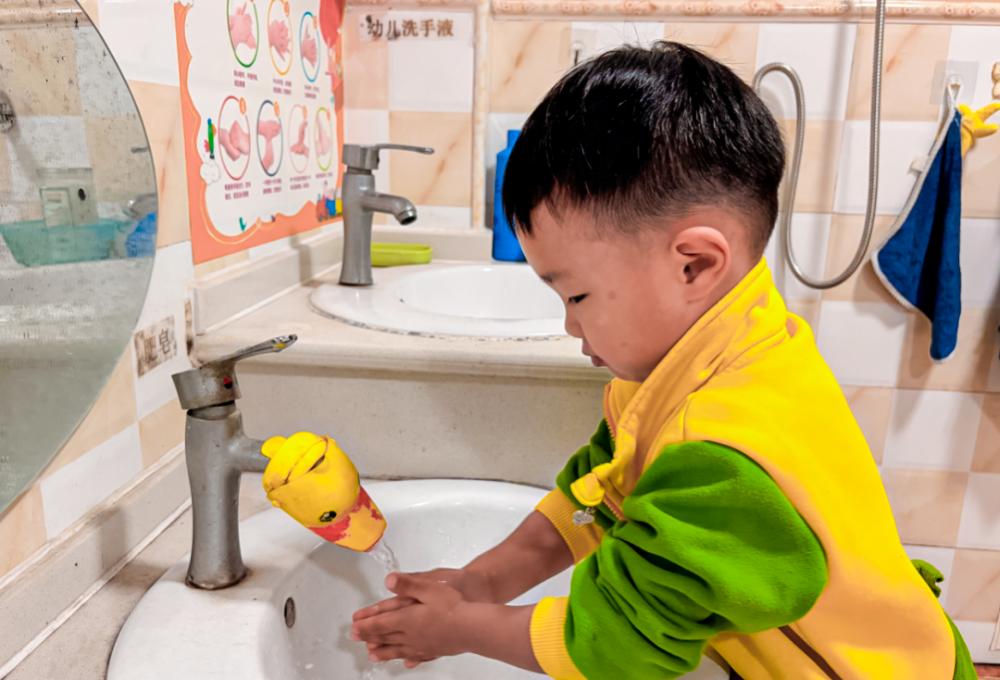
The class is conducting a themed class on infectious disease prevention. Teachers combine the cognitive characteristics of young children and use scenarios, hygiene games, and other forms to popularize knowledge about common infectious diseases, explain virus transmission methods, demonstrate self-protection skills such as the seven step washing method and cough etiquette, guide young children to develop good habits of washing hands frequently, drinking plenty of water, not clustering, and being hygienic, and plant the seeds of health protection in their childlike hearts.
Campus prevention and control is the foundation, while home protection is the key. Most children's daily lives cannot be separated from family care. To effectively prevent the spread of infectious diseases, it is necessary for the home and school to work together and implement synchronized prevention and control measures. We hereby issue a home school co education initiative to all parents, requesting their cooperation in the following tasks:
1. Persist in health monitoring and conduct morning and afternoon self examinations
Before entering the kindergarten and during the stay at home period, closely observe the physical condition of the child. If there are abnormal symptoms such as fever, cough, sore throat, rash, vomiting, diarrhea, and parotid gland enlargement, immediately rest at home and seek medical attention. Do not enter the kindergarten with illness, and inform the class teacher as soon as possible to prevent cross transmission of infectious diseases in the kindergarten.
2. Develop hygiene habits and do a good job of disinfection and sterilization at home
Urge children to wash their hands carefully before meals, after going out, and after touching public objects; Trim nails frequently, change clothes frequently, and dry bedding frequently. Open windows for ventilation 2-3 times a day, for at least 30 minutes each time, to maintain indoor air circulation; Regularly clean and disinfect high-frequency contact items such as children's toys, tableware, backpacks, door handles, etc.
3. Regular sleep and exercise to enhance children's physical fitness
Ensure that children have sufficient sleep and do not stay up late or stay up late; Reasonably match diet, eat more vegetables and fruits, drink plenty of warm water, and eat less raw, cold, and fried snacks. Persist in moderate outdoor exercise every day to enhance children's immunity and resist virus invasion.
4. Reduce gatherings for travel and avoid the risk of infection
During the high incidence period of infectious diseases, try not to take children to crowded and poorly ventilated public places, reduce gatherings and gatherings, and lower the probability of cross infection. Wear masks when going out and take personal protective measures.
5. Comply with epidemic prevention requirements and standardize the process of returning to the park
After the child receives medical treatment for illness, they must strictly follow the doctor's advice to rest at home. After recovery, they can only return to the kindergarten with relevant certificates and meet the quarantine period. They will not be sent to the kindergarten in advance and will do their best to protect the health and safety of all teachers and students in the kindergarten.
Infectious diseases can be prevented and controlled, with a focus on prevention. The park will continue to implement various prevention and control work such as morning, afternoon and evening inspection, regular disinfection and sterilization, health education, etc. May our home work together, respond scientifically, and protect the healthy growth of every child. (Shen Yinghong)
All articles,data and pictures on this website are from the Internet,and all copyrights belong to the source website or source author.if it infringes on your rights,please let us know and delete it.